I’m not sure how many people dream of traveling into the Sahara Desert. So many stories and movies depict it as a lifeless, endless sea of scorching sands and deadly arachnid why would anyone be anything other than fearful of it? But it is so much more alive than words can describe, a landscape brought to life by subtleties of light and shifting sands, obscure landmarks and hidden resources whose secrets have been interpreted by a select few since the dawn of time. The people we met in Southern Morocco are some of the kindest humans I’ve ever encountered, unbelievably genuine and warm and whose smiles are the true oasis.
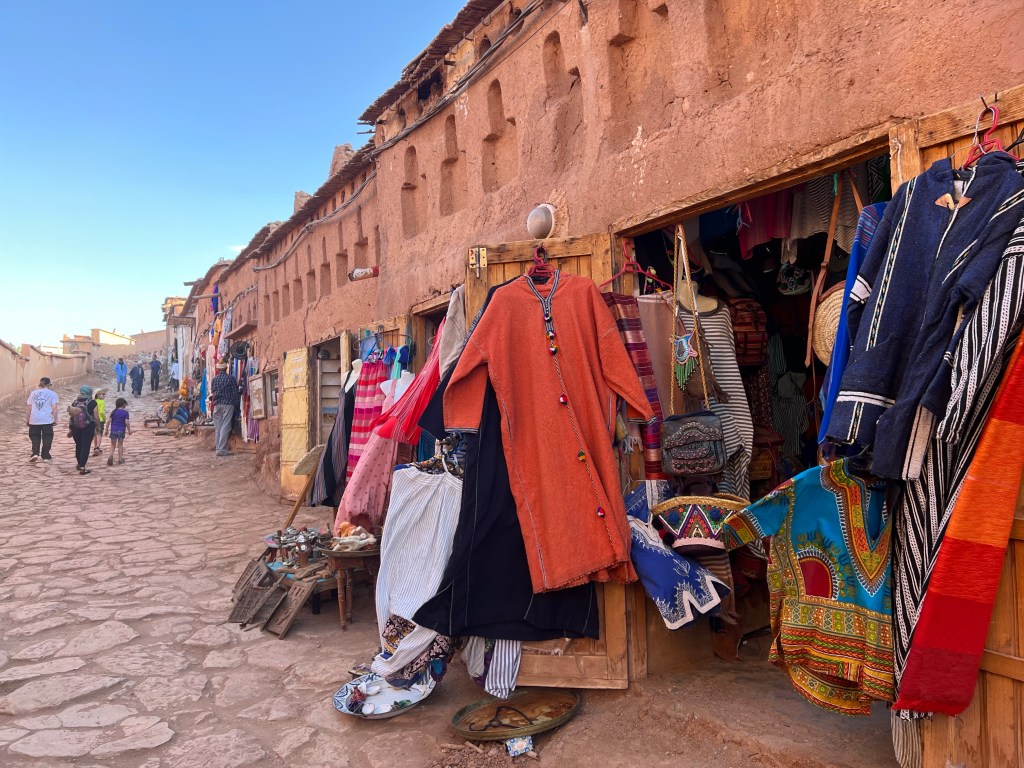
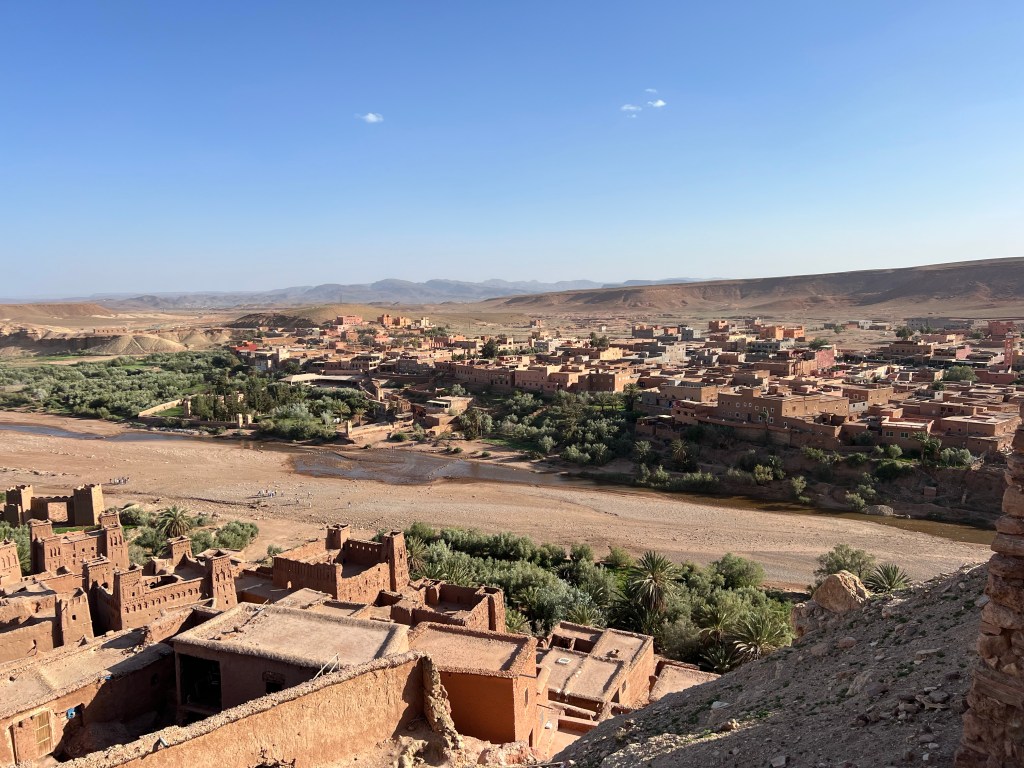
At the edge of the Sahara outside a town call Ouarzazate is the the Hollywood of Africa. A sweeping walled complex where films like The Gladiator and Game of Thrones filmed their desert scenes. It seems such an oddity and unwelcome reminder of that which you are here to escape. That being said it brings tourists to this corner of Morocco that may never have come and with it money so welcomed by the local economy. The Village Ait Ben Haddou is an oasis at the edge of the Sahara where water flows and palm trees flourish nestled beneath a thousand year old fortress. As we meander through the breezy, cool stone walkways of these ruins I admire the souvenirs crafted by local artisans including the desert scarves favored by the local Berbers. Pick one up before you trek into the desert, they are far more useful than any hat against unrelenting sun and sudden winds hurling sand in your face.
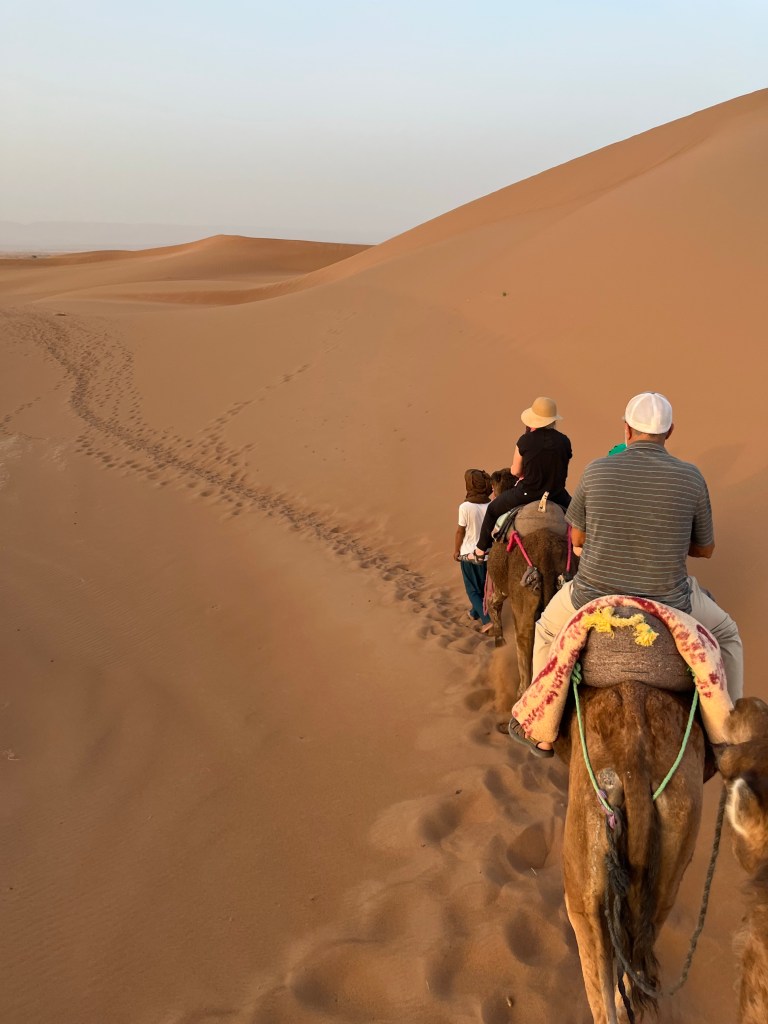
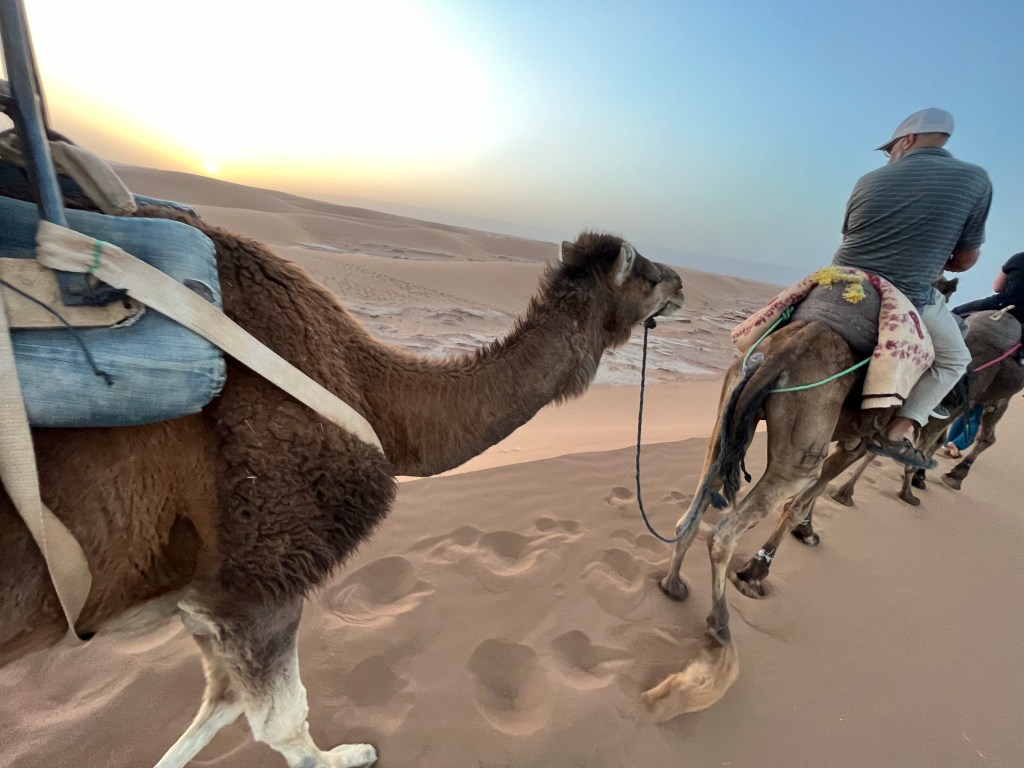
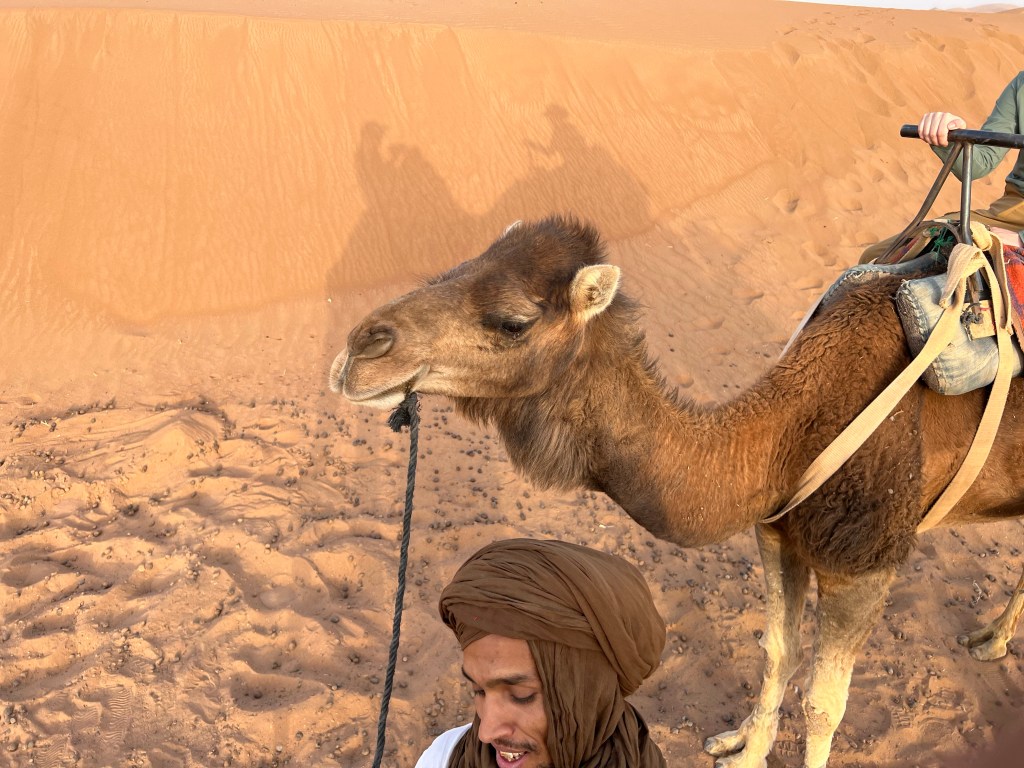
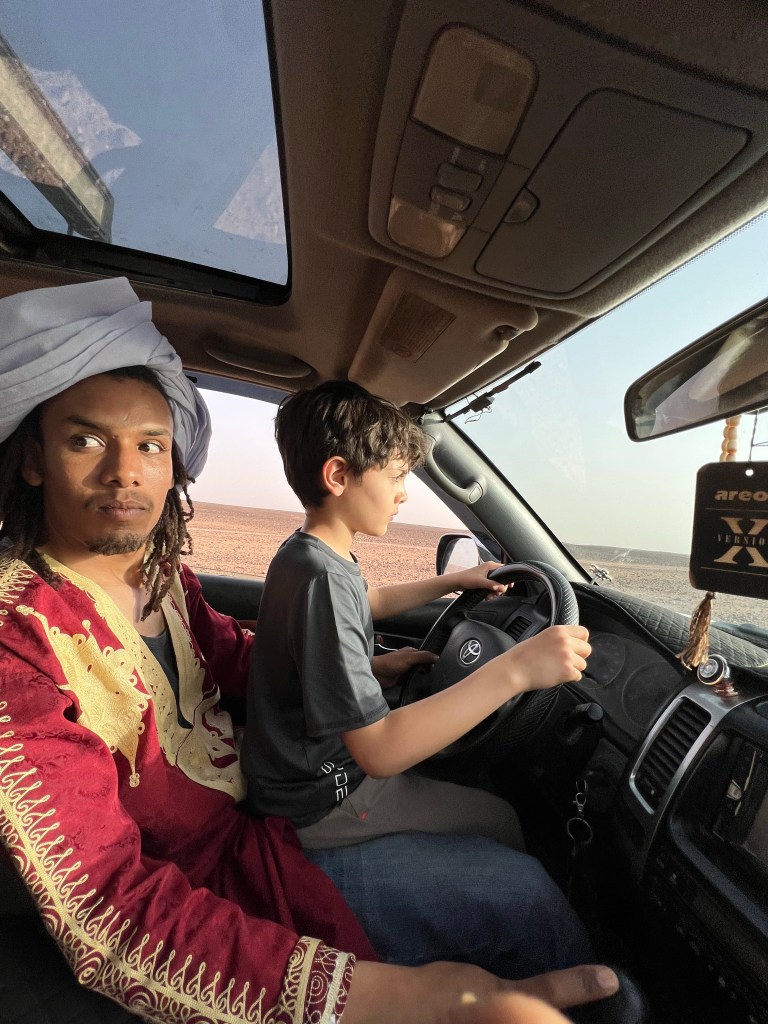
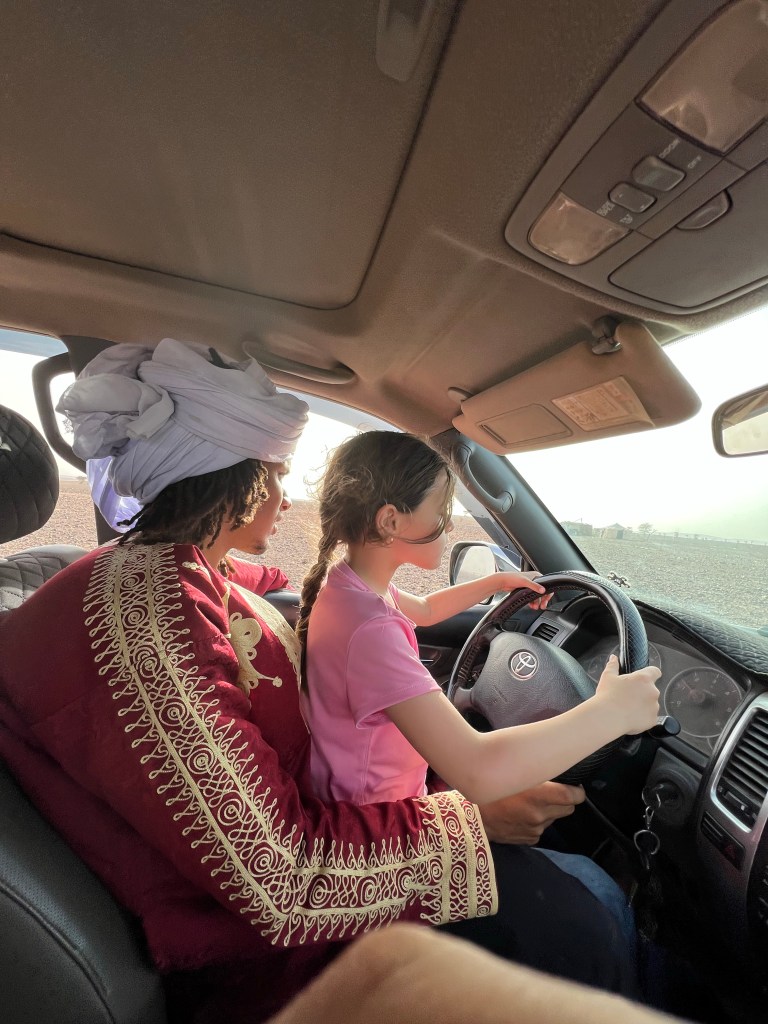
No transactions in the desert are rushed. Our soon to be guide serves us mint tea and dates and seats us comfortably and after the customary, lengthy pleasantries we discuss business. After much haggling, mostly in Arabic between he and my husband, we are lured to a more remote Berber camp with no tourists for an authentic experience. We had originally planned to leave from a closer town but what the hell, we are up for an adventure. We purposely kept our itinerary pretty loose so we could go with flow and change plans if we felt like it. And so just like that we set off into the desert. In a remote village called M’Hamid we ditch our car and hop into a jeep with Omar and skid across the sands into the true Sahara. Omar is always smiling and vibing. He plays his music loud; mostly local stuff with a true African beat and a hint of Reggae but he has Despacito on repeat and he sings every word in perfect Spanish.
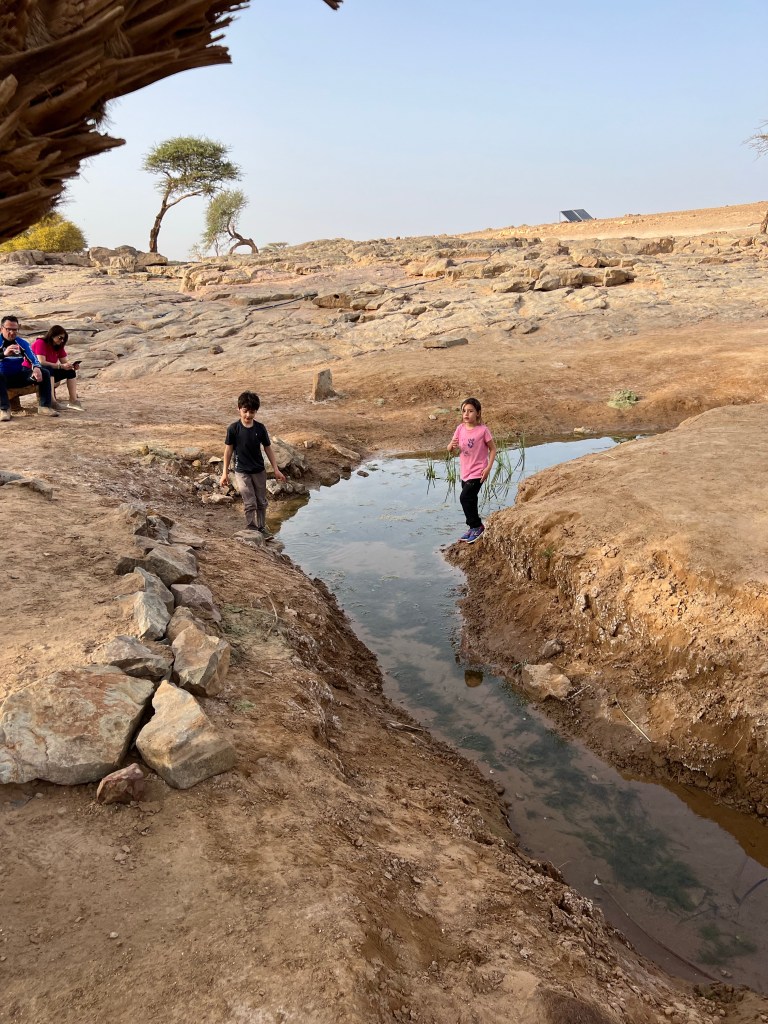
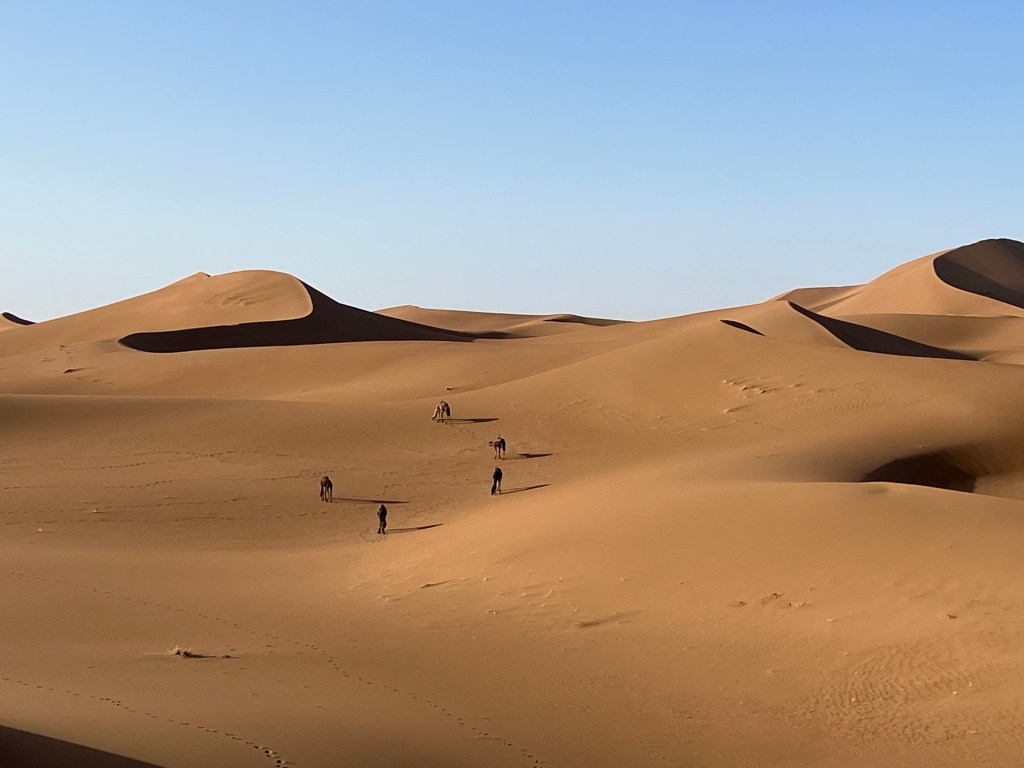
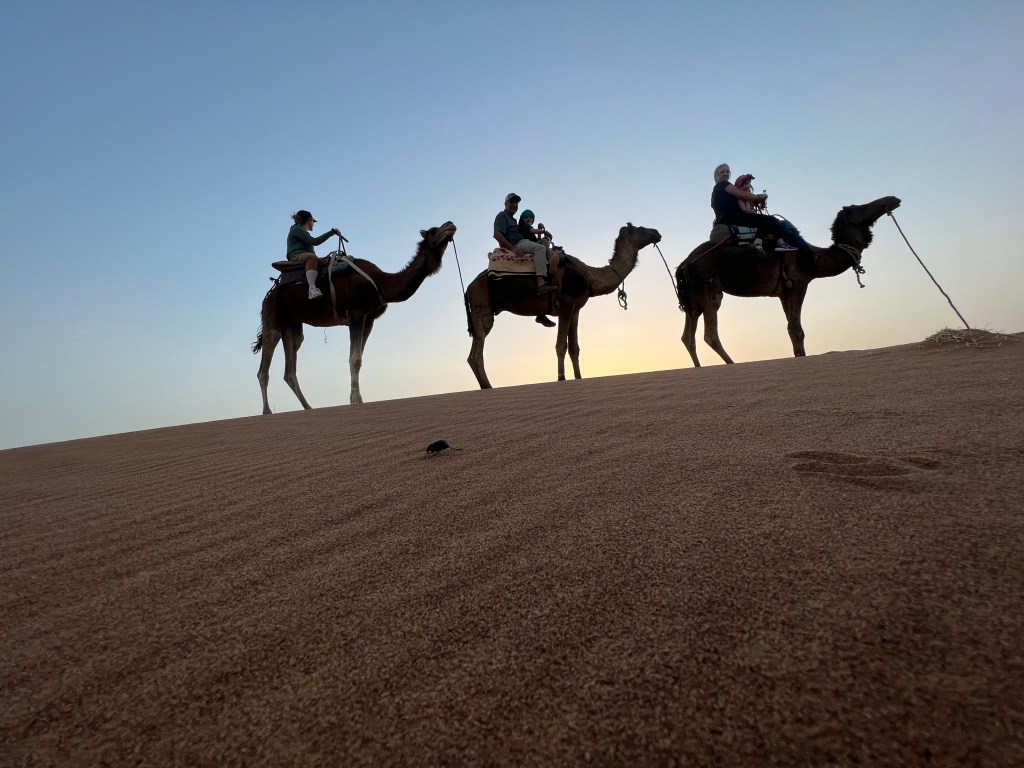
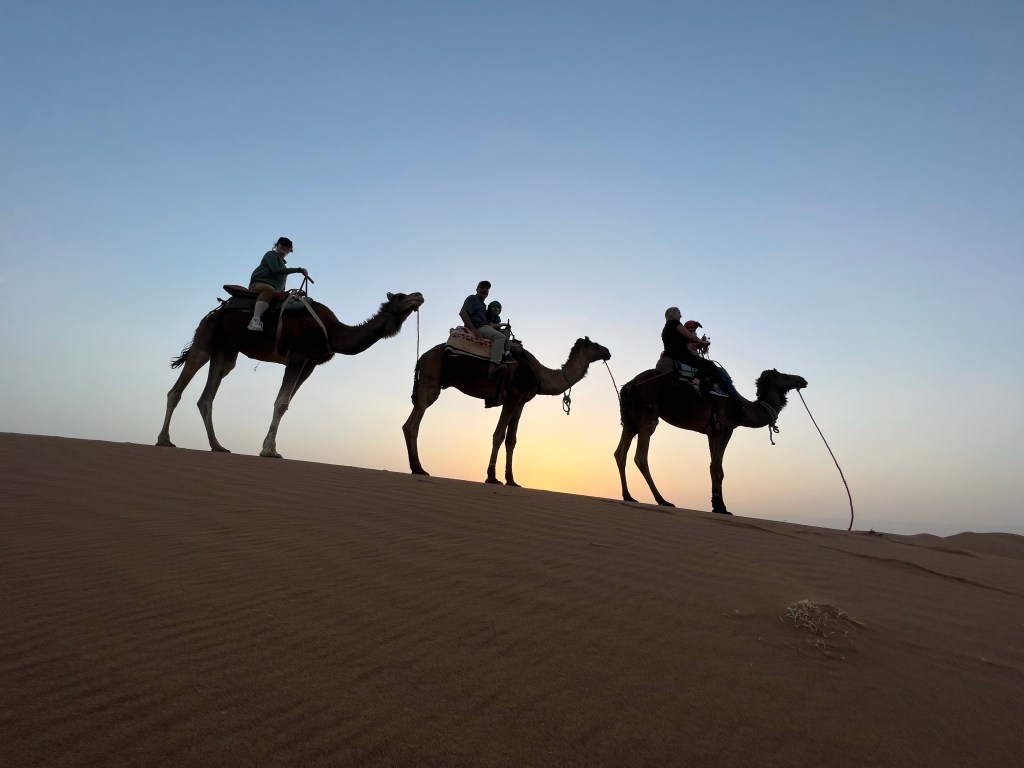
There are Nomad families living and wandering throughout the Sahara. We come across many of them; some in small camps, some on the move in a camel caravan. Nomadic women sit along the route we are traveling selling carpets and small woven camel toys made of brightly colored yarns that contrast the monotonous beige sands. The nomadic Berbers of the Sahara used to travel freely throughout the desert, with no concern for borders. They lived according to the rhythm of the seasons and knowledge passed through families dating back to the beginning of mankind. They could set up markets where they all gathered to swap goods and supplies. Now the border between Morocco and Algeria is fenced off and heavily guarded, blocking the free and natural movement of these people. Aside from the nomads there is a surprising amount of traffic blazing through the desert. Bands of suped up cars retrofitted for desert conditions blaze by, engines blaring, full of stickers and some trailing big pirate flags. We learn this is a hot spot for rally drivers from Spain who come here to train for the worlds most insane car race, the Paris to Dakar rally. Beginning in Paris, hundreds of cars set off on grueling journey and only a handful cross the finish line in Senegal.
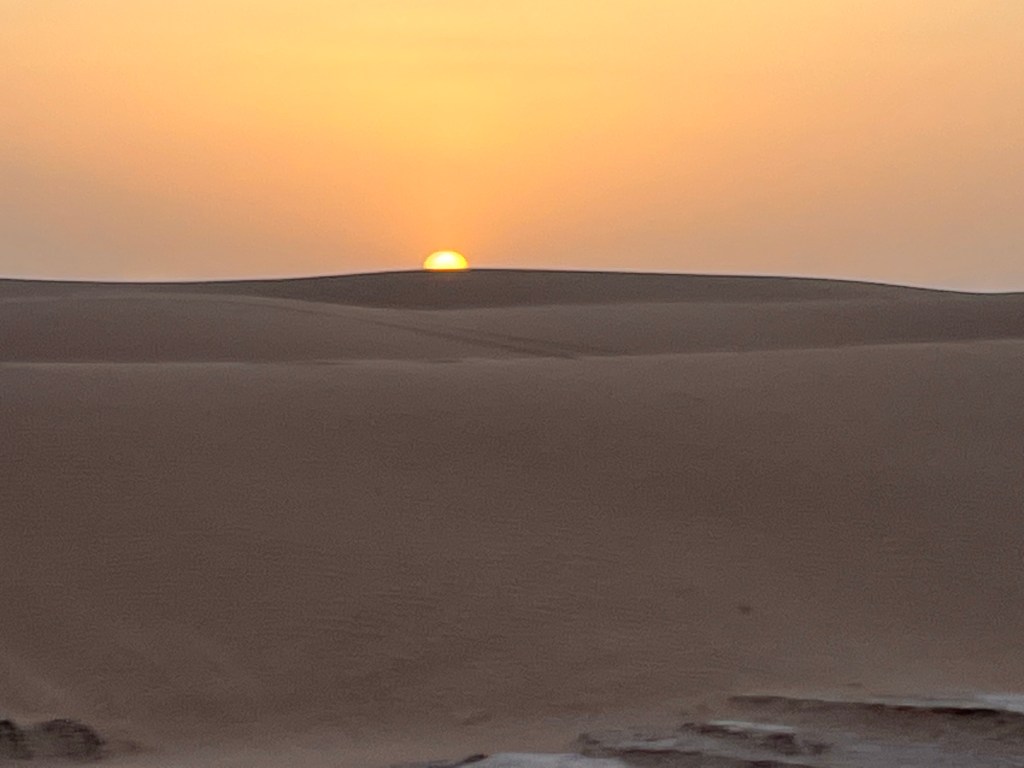
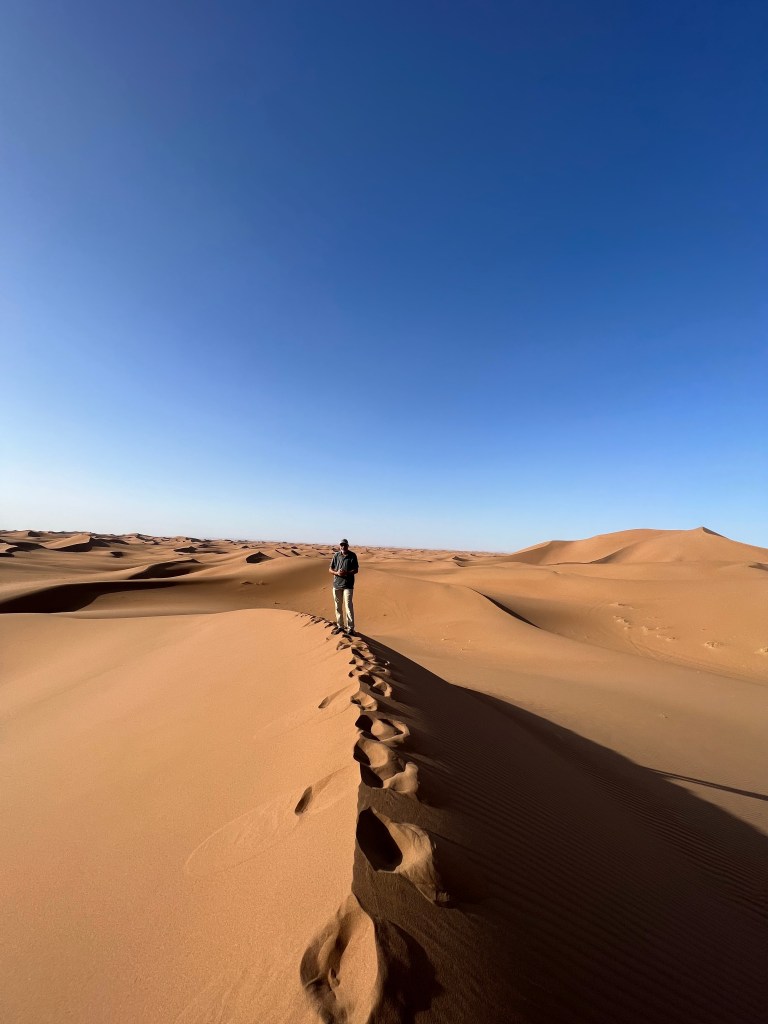
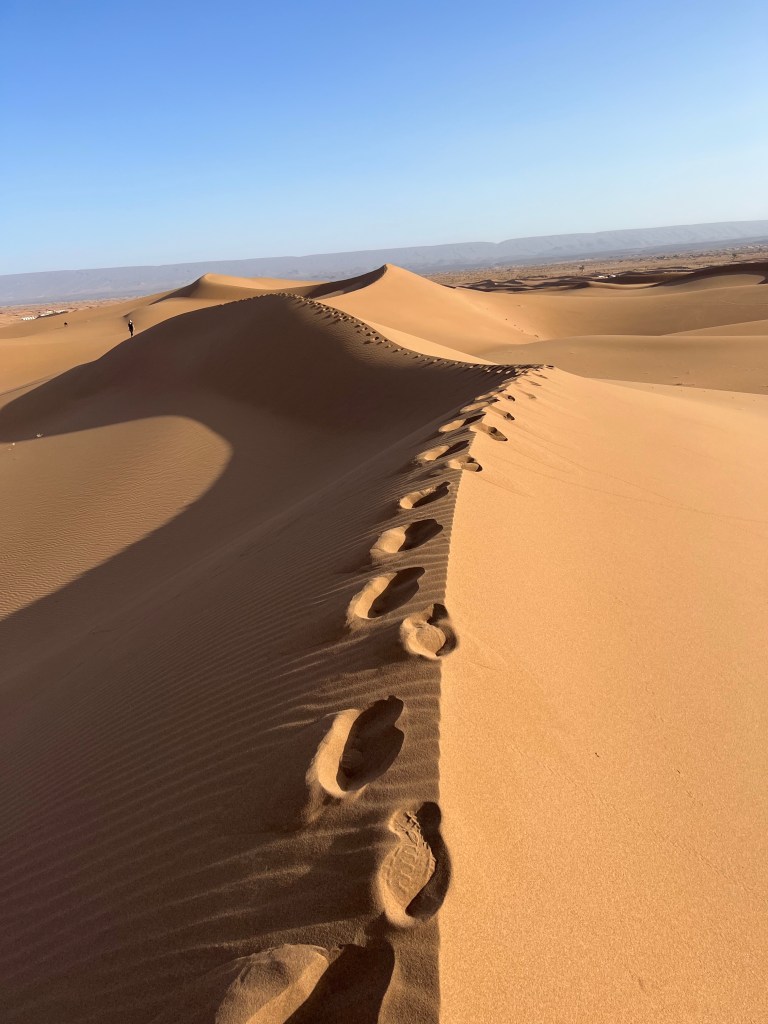
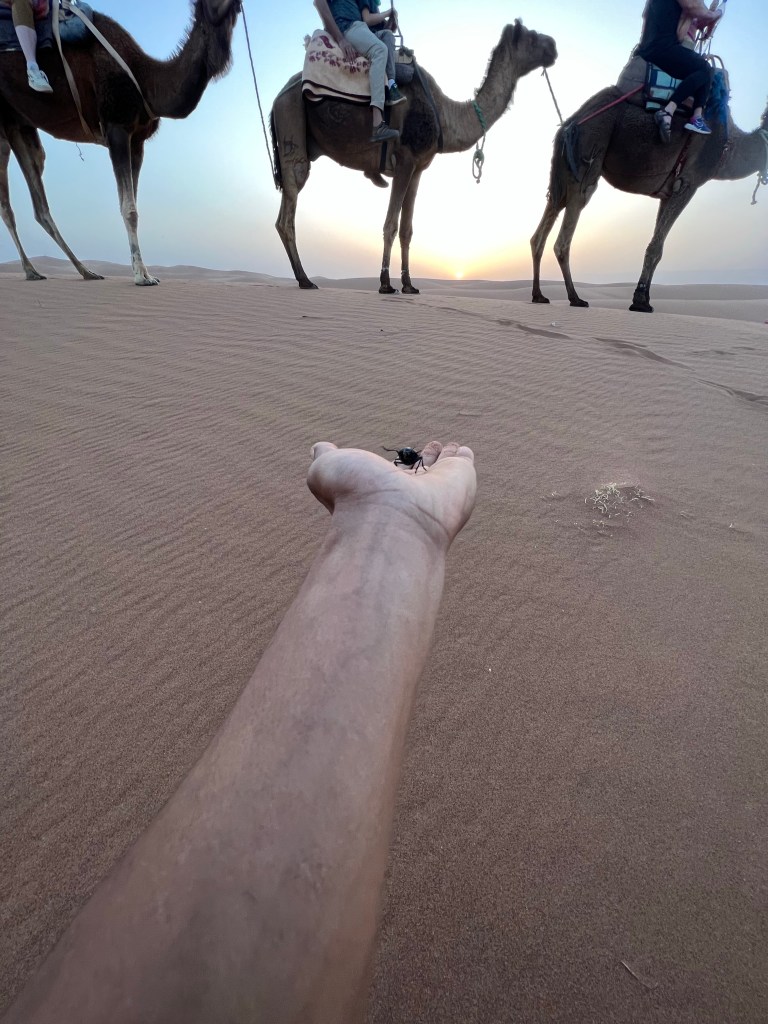
In the quiet of our camp we walk as far as we dare into the desert. We trace the zipper patterned tracks of the beetles across the dunes and lounge on carpets, sipping tea while contemplating the endless and not so desolate expanse of dead ocean beyond.












 So I Married an Arab